Classic Pignoli Cookies
Classic Pignoli Cookies are soft, chewy, and full of sweet almond flavor, with a golden crown of toasted pine nuts on top. These classic pignoli cookies are made with almond paste, sugar, and egg whites, and they are a beloved Italian bakery cookie, famous for their tender texture, delicate sweetness, and the gentle crunch of pine nuts. They look elegant, taste luxurious, and are surprisingly simple to make at home.
Pignoli cookies have been a fixture in Italian bakeries for generations, and they are especially popular at holidays and celebrations. The almond paste gives the dough a rich, moist flavor that is quite different from a plain sugar cookie, while the pine nuts toast as the cookies bake, becoming golden and fragrant. A light dusting of powdered sugar finishes the cookies and makes them look like they came straight from a bakery window in Rome or New York.
In this guide, you will learn how to make perfect classic pignoli cookies from scratch, with clear ingredient notes, step by step instructions, and practical tips for working with almond paste, keeping the pine nuts in place, and storing the cookies so they stay soft for days. Whether you are baking for a holiday tray, a dinner party, or a quiet afternoon with coffee, this is a reliable recipe you will want to keep.

Why You Will Love These Classic Pignoli Cookies
- Soft and chewy texture: Almond paste gives the cookies a moist, tender crumb that stays soft for days.
- Rich almond flavor: The almond paste, almond extract, and vanilla create a warm, fragrant taste that is distinctly Italian.
- Golden pine nuts: Toasted pine nuts add a delicate crunch and a buttery, nutty flavor on top of each cookie.
- Elegant and simple: With only a handful of ingredients, these cookies look and taste like a bakery treat.
- Naturally gluten free: Made with almond paste and no wheat flour, these cookies are a wonderful choice for gluten free guests.
These cookies are also a wonderful way to celebrate the holidays. They are light enough to enjoy after a big meal, yet rich enough to feel special, and they make a beautiful addition to any cookie tray. If you love almond desserts, pignoli cookies are a classic for a reason, and once you taste a warm, freshly baked pignoli with its soft center and golden pine nuts, you will understand why they have been loved for so long.
Ingredients for Classic Pignoli Cookies
You will need simple ingredients for these cookies, with almond paste as the star. Use real almond paste, not marzipan, because marzipan is sweeter and softer and will make the cookies too sweet and flat. Almond paste is sold in tubes or cans in the baking aisle, and it should be soft and pliable at room temperature. The egg whites should also be at room temperature, so they mix smoothly into the dough.
- 8 ounces almond paste, at room temperature
- 3/4 cup granulated sugar
- 1/4 teaspoon fine salt
- 2 large egg whites, at room temperature
- 1 teaspoon pure vanilla extract
- 1/2 teaspoon pure almond extract
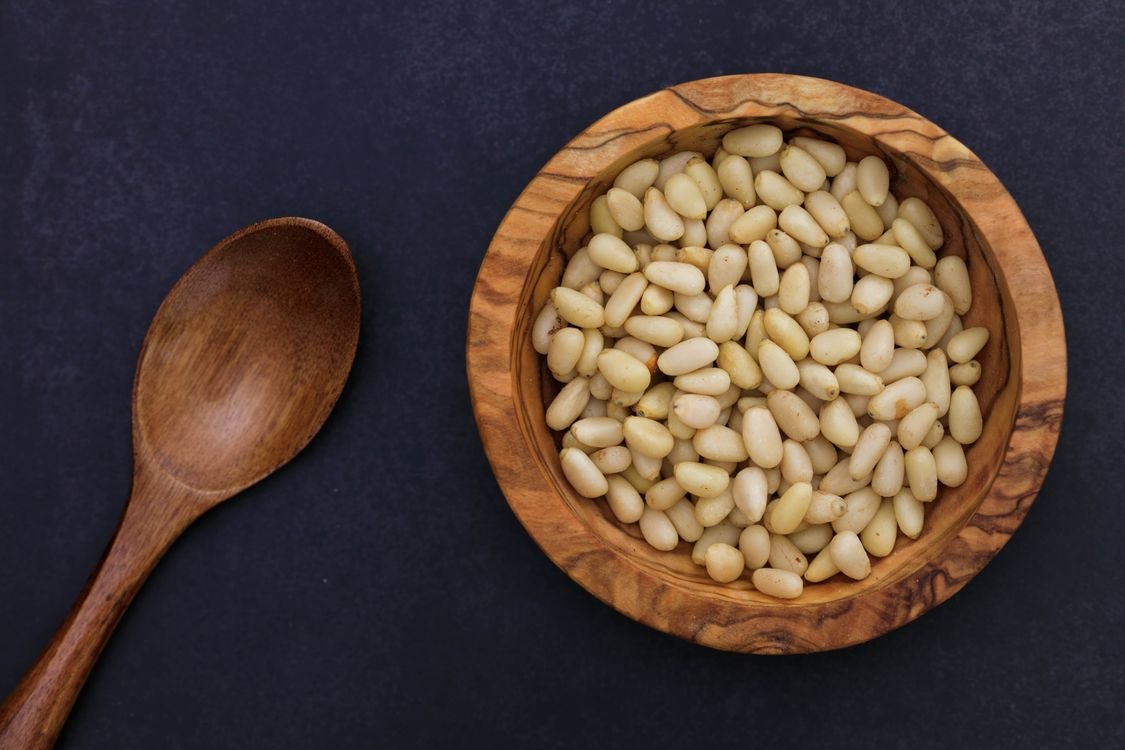
- 1 cup pine nuts
- 1/4 cup powdered sugar, for dusting
For the best results, break the almond paste into small pieces before mixing, because it will blend more easily and evenly. Do not use almond flour in place of almond paste, because the texture will be completely different. The pine nuts should be fresh and pale, not dark or stale, because they will toast in the oven and their flavor will be noticeable. If your pine nuts are very large, you can leave them whole, as they are in the classic recipe.
How to Make Classic Pignoli Cookies
Start by reading the recipe all the way through, then gather and measure your ingredients. The dough comes together quickly in a food processor or with an electric mixer, but it is sticky, so chilling it is important. Line two baking sheets with parchment paper before you begin, and place the pine nuts in a shallow bowl for rolling.
- Mix the almond paste and sugar: In a food processor or large bowl, beat the almond paste, granulated sugar, and salt together until crumbly and well combined, about one minute.
- Add the egg whites and flavorings: Add the egg whites, vanilla extract, and almond extract, and mix until a soft, sticky dough forms, scraping down the sides as needed.
- Chill the dough: Cover the bowl and chill the dough in the refrigerator for at least thirty minutes, and up to overnight. Chilling makes the sticky dough much easier to roll.
- Shape the cookies: Scoop one tablespoon balls of dough with damp hands, and roll each ball gently in the pine nuts, pressing the nuts lightly into the surface so they stick.
- Place on baking sheets: Place the coated balls on the prepared baking sheets, leaving about two inches between cookies, and press each ball down very slightly.
- Bake the cookies: Heat the oven to 325 degrees F (165 degrees C). Bake for fifteen to seventeen minutes, until the edges are set and lightly golden and the pine nuts are toasted and golden.
- Cool and dust: Let the cookies cool on the baking sheet for ten minutes, then move them to a wire rack to cool completely. Dust lightly with powdered sugar before serving.
The cookies will be very soft when they first come out of the oven, and that is normal. They will firm up as they cool, and the centers will stay chewy. Do not try to move them too soon, or they will break and the pine nuts will fall off. If you like a chewier cookie, take them out at fifteen minutes, and if you like a crisper edge, bake them for the full seventeen minutes.
Tips for Perfect Classic Pignoli Cookies
Work with damp hands when shaping the dough, because the almond paste dough is sticky and will cling to dry fingers. Roll the balls gently in the pine nuts, and press the nuts in lightly, so they stay in place during baking. If the nuts fall off easily, the dough may be too dry, so add a teaspoon of egg white at a time until it holds together.
Do not overbake the cookies, because almond paste dries out quickly in a hot oven. Bake at 325 degrees F, not higher, and watch the pine nuts closely, because they can go from golden to burnt in a minute. Bake one sheet at a time in the center of the oven for the most even color, and let the cookies cool completely before dusting with powdered sugar, so the sugar does not melt.
Variations to Try
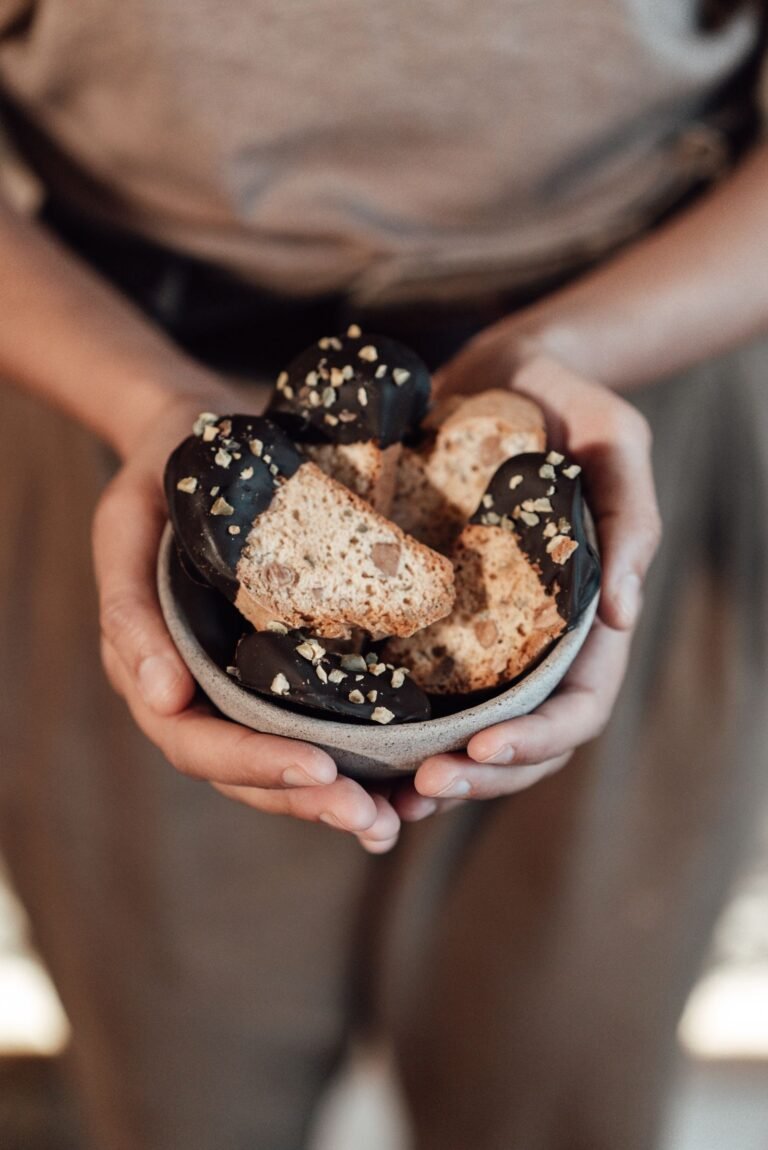
For a lemon pignoli, add one teaspoon of finely grated lemon zest to the dough with the extracts, which will brighten the almond flavor. For a chocolate pignoli, dip the cooled cookies halfway in melted dark chocolate and let the chocolate set on parchment paper. For a nutty variation, roll the dough balls in a mix of pine nuts and finely chopped almonds, or use sliced almonds instead of pine nuts if pine nuts are hard to find.
If you love Italian cookies, you will also enjoy our Classic Italian Pizzelle Cookies, which are thin, crisp, and delicate, and our Classic Vanilla Bean Cookies, which are soft, buttery, and fragrant. Pignoli cookies also pair beautifully with coffee, espresso, or a small glass of dessert wine, and they are a lovely gift when packed in a tin with parchment paper.
How to Store Classic Pignoli Cookies
Store the cooled cookies in an airtight container at room temperature for up to one week, with a sheet of parchment paper between layers to protect the pine nuts. They will stay soft and chewy if the container is sealed well, and their almond flavor actually improves after a day. Do not store them in the refrigerator, because the cold air will make them dry and hard.
For longer storage, freeze the baked cookies in a single layer on a baking sheet until firm, then transfer them to a freezer bag or container and freeze for up to three months. Thaw them at room temperature for about thirty minutes before serving, and dust with fresh powdered sugar after thawing. You can also freeze the raw dough balls, rolled in pine nuts, for up to three months, then bake them straight from frozen, adding two to three extra minutes.
Frequently Asked Questions
Are pignoli cookies gluten free? Yes, classic pignoli cookies are naturally gluten free when made with almond paste and no wheat flour. Always check that your almond paste and extracts are labeled gluten free if you are baking for someone with celiac disease, and use a clean bowl and baking sheet.
What is the difference between almond paste and marzipan? Almond paste has less sugar and a coarser texture than marzipan, and it is meant for baking, while marzipan is sweeter, smoother, and often used for decorating. Using marzipan in this recipe will make the cookies too sweet and flat, so use real almond paste.
Why are my pine nuts falling off? The nuts need a slightly sticky dough to hold on to. Make sure the dough is well chilled but not too dry, roll the balls gently in the nuts, and press the nuts in lightly. Damp hands also help the dough stay tacky.
Can I use a food processor for the dough? Yes, a food processor is the easiest way to break up the almond paste and mix the dough. Pulse the almond paste and sugar first, then add the egg whites and extracts and pulse just until a soft dough forms. Do not overprocess, or the dough will become oily.
Conclusion
Classic pignoli cookies are a timeless Italian treat that proves simple ingredients can make something truly special. With soft, chewy almond dough, golden toasted pine nuts, and a light dusting of powdered sugar, they are perfect for holidays, gifts, dinner parties, and everyday baking. Follow the tips for working with almond paste, chilling the dough, and not overbaking, and you will have a batch of pignoli cookies that look and taste like they came from an Italian bakery. Bake a batch today and enjoy every soft, nutty bite.