Chewy Oatmeal Scotchies (Butterscotch Oatmeal Cookies)

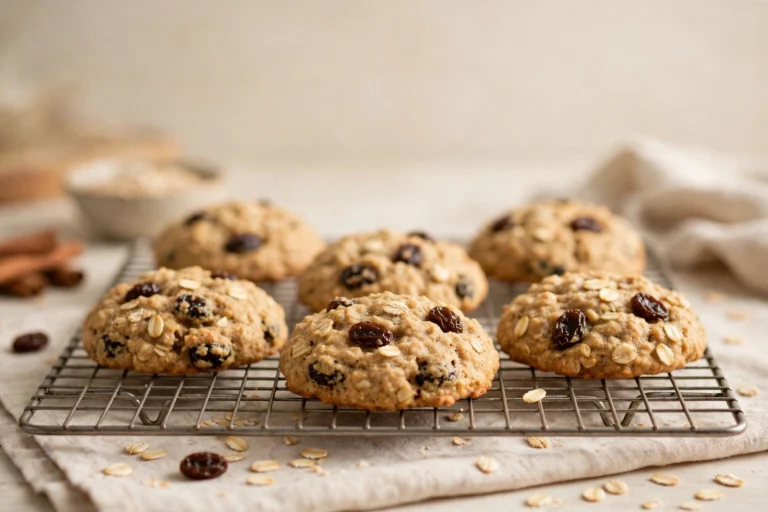
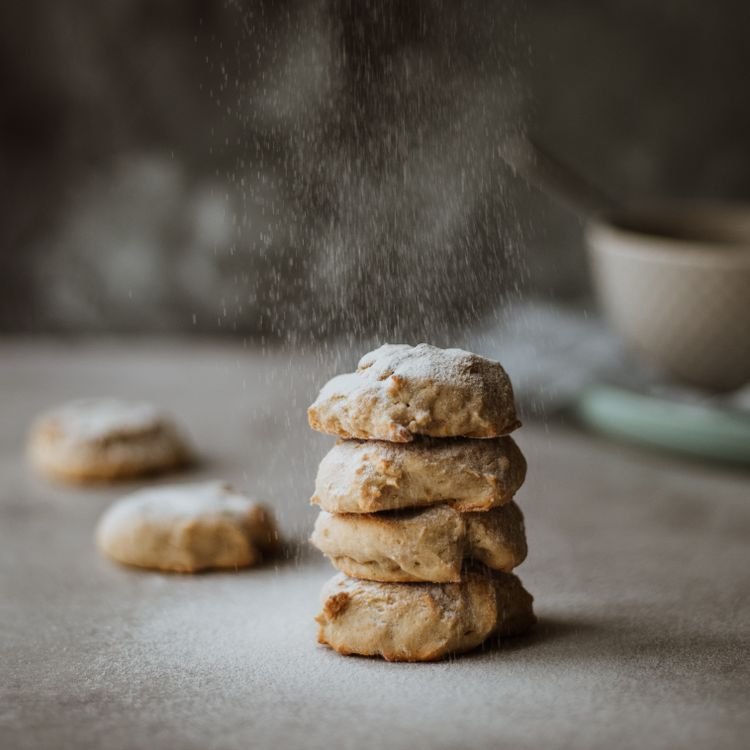
These chewy oatmeal scotchies are everything an oatmeal cookie should be, with a butterscotch twist that makes them unforgettable. Old-fashioned oats give the cookies a hearty, chewy texture, while butterscotch chips melt into sweet, caramel-like pockets in every bite. A touch of cinnamon and a hint of vanilla round out the flavor, and the edges bake up lightly crisp while the centers stay soft for days.
Oatmeal scotchies, also called oatmeal butterscotch cookies, are a classic American cookie that deserves a place in every baker’s rotation. The dough comes together in one bowl in about 15 minutes, needs only a short chill, and bakes in 12 minutes. They are perfect for lunchboxes, cookie jars, bake sales, and holiday trays. Below you will find the full ingredient list with helpful notes, step-by-step instructions, storage and freezing tips, and answers to common questions.
Prep Time: 15 minutes | Chill Time: 30 minutes | Bake Time: 12 minutes | Total Time: About 1 hour | Yield: 24 cookies
Why You’ll Love These Oatmeal Scotchies
Butterscotch and oatmeal are a natural pairing. The warm, brown-sugar flavor of butterscotch chips echoes the toasty flavor of the oats, and together they taste like the best parts of a bowl of oatmeal and a caramel cookie at the same time. These cookies are not too sweet, which makes them easy to eat two of, and they hold up beautifully in a lunchbox or cookie tin.
- Soft, chewy centers: Brown sugar, melted butter, and oats keep the middles tender for days.
- Big butterscotch flavor: Butterscotch chips melt into caramel-like pockets throughout each cookie.
- One bowl, no mixer: Stir everything together by hand in minutes.
- Hearty and satisfying: Old-fashioned oats make these cookies feel substantial, not flimsy.
- Freezer friendly: Freeze the dough balls or the baked cookies for up to 3 months.
They also travel well and stack neatly, which makes them a strong choice for gifts, care packages, and cookie swaps.
Ingredients for Oatmeal Scotchies
You need only pantry staples plus oats and butterscotch chips. Read the notes below before you start, especially the oats note, because the type of oats you use changes the texture.
- 1 cup (125 g) all-purpose flour
- 1 teaspoon ground cinnamon
- 1/2 teaspoon baking soda
- 1/2 teaspoon fine sea salt
- 1/2 cup (115 g) unsalted butter, melted and slightly cooled
- 3/4 cup (150 g) light brown sugar, packed
- 1/4 cup (50 g) granulated sugar
- 1 large egg, at room temperature
- 1 large egg yolk, at room temperature
- 2 teaspoons pure vanilla extract
- 1 1/2 cups (135 g) old-fashioned rolled oats
- 1 cup (170 g) butterscotch chips
- 1/2 cup (60 g) chopped pecans or walnuts (optional)
- Flaky sea salt, for sprinkling (optional)
Oats: Old-fashioned rolled oats are the right choice here. They keep their shape and give the cookies a hearty, chewy texture. Quick oats make softer, more cake-like cookies, and steel-cut oats stay hard and raw-tasting. Use rolled oats for the best result.
Butterscotch chips: Butterscotch chips are sweeter than chocolate chips, so the cookies are balanced by the oats and the pinch of salt. If you cannot find butterscotch chips, use chopped butterscotch candies or a mix of half butterscotch and half white chocolate chips. For another oatmeal favorite, try our Soft and Chewy Oatmeal Raisin Cookies, which use the same chewy oatmeal base.
Butter: Melted butter makes these cookies chewy rather than cakey. Let it cool for about five minutes so it does not cook the egg when you mix it in. If you use salted butter, reduce the added salt to 1/4 teaspoon.
Cinnamon: Cinnamon is the quiet hero of this recipe. It deepens the butterscotch flavor and gives the cookies a warm, spiced background. Do not skip it, even if you are not a cinnamon fan; it blends in rather than standing out.
How to Make Oatmeal Scotchies
Follow the steps in order and do not skip the chill. Chilling keeps the cookies thick and helps the oat flavor develop.
- Whisk the dry ingredients. In a medium bowl, whisk together the flour, cinnamon, baking soda, and salt. Set aside.
- Mix the wet ingredients. In a large bowl, whisk the melted butter, brown sugar, and granulated sugar until smooth and glossy, about one minute. Whisk in the egg, egg yolk, and vanilla until fully combined.
- Combine. Add the dry ingredients to the wet ingredients and stir with a spatula just until the flour disappears. Overmixing makes tough cookies, so stop as soon as the dough comes together.
- Fold in the oats and chips. Gently fold in the rolled oats, butterscotch chips, and nuts, if using, until they are evenly distributed.
- Chill the dough. Cover the bowl and refrigerate for 30 minutes. The dough should be firm enough to scoop but not hard. If it chills longer than two hours, let it sit at room temperature for 15 minutes first.
- Preheat and prepare. Preheat the oven to 350°F (175°C). Line two baking sheets with parchment paper.
- Scoop. Scoop rounded tablespoons of dough, about 1 1/2 tablespoons each, and roll into balls. Place them 2 inches apart on the prepared sheets. Press a few extra butterscotch chips onto the tops for a bakery look.
- Bake. Bake one sheet at a time for 11 to 13 minutes, until the edges are golden and set and the centers still look slightly soft. The cookies finish setting as they cool.
- Cool. Let the cookies cool on the baking sheet for 5 minutes, then move them to a wire rack. Sprinkle with flaky sea salt while they are still warm, if you like.
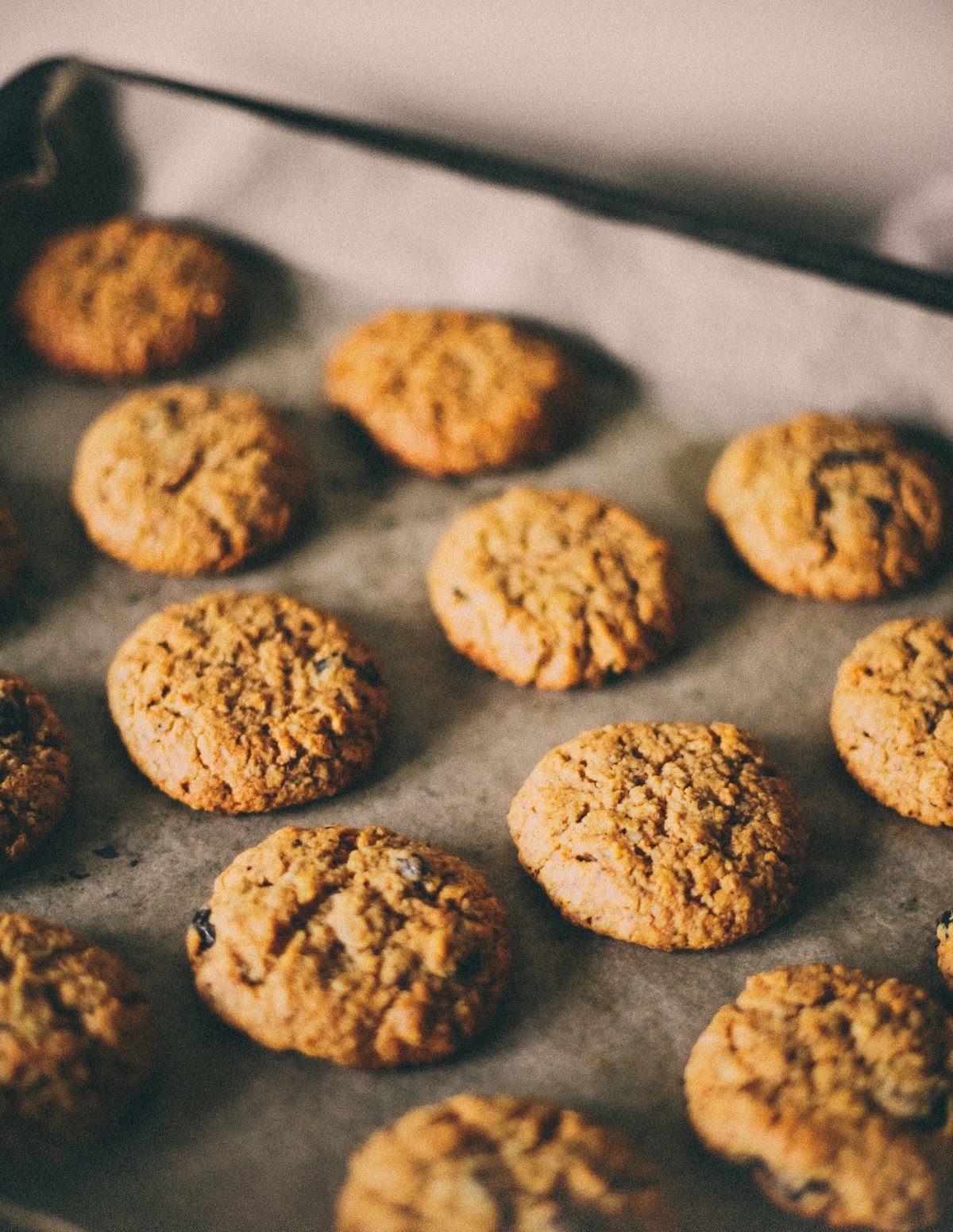
The cookies will look a little underdone in the middle when they come out of the oven. That is exactly what you want. They continue to bake from the heat of the pan, which keeps them soft and chewy instead of dry and crumbly.
Tips for the Best Oatmeal Scotchies
Small details make the difference between good cookies and great ones. Keep these tips in mind.
- Use old-fashioned oats. Quick oats absorb too much moisture and make the cookies soft and cakey instead of chewy.
- Do not overbake. Pull the cookies when the centers still look soft. Oatmeal cookies dry out quickly if they bake too long.
- Measure the flour correctly. Spoon the flour into the measuring cup and level it off. Too much flour makes dry, crumbly cookies.
- Use room-temperature eggs. Cold eggs do not blend smoothly into the butter mixture. Set them in warm water for five minutes if you forgot.
- Cool the baking sheet between batches. Scooping dough onto a hot sheet makes the cookies spread too much before they set.
- Let the cookies cool on the pan. Those five minutes finish the bake gently and help the cookies hold their shape.
Variations to Try
Once you have baked the classic version, try one of these easy twists.
- Chocolate oatmeal scotchies: Swap half of the butterscotch chips for dark chocolate chips for a richer cookie.
- Cranberry oatmeal scotchies: Add 1/2 cup of dried cranberries for a tart, chewy contrast to the sweet butterscotch.
- Maple oatmeal scotchies: Replace the vanilla with 1 teaspoon of maple extract and add 2 tablespoons of maple syrup to the dough.
- Nut-free: Leave the nuts out and add an extra 1/4 cup of butterscotch chips.
- Gluten-free: Use a 1-to-1 gluten-free flour blend and certified gluten-free oats, and chill the dough for a full hour.
For another chewy chocolate favorite, try our Best Chewy Chocolate Chip Cookies. They use the same one-bowl method and are a great base recipe to master.
How to Store and Freeze Oatmeal Scotchies
Store the cooled cookies in an airtight container at room temperature for up to 5 days. A slice of bread in the container keeps them soft; replace it every day or two. For longer storage, freeze the baked cookies in a single layer on a baking sheet until solid, then transfer them to a freezer bag or container for up to 3 months. Thaw at room temperature for about 30 minutes, or warm them in a 300°F (150°C) oven for 5 minutes.
The dough also freezes well. Scoop it into balls, freeze them on a baking sheet until solid, then store them in a freezer bag for up to 3 months. Bake straight from frozen, adding 2 minutes to the baking time. Fresh, warm cookies whenever you want them is one of the best reasons to keep a bag of dough in the freezer.
Frequently Asked Questions
Can I use quick oats instead of old-fashioned oats?
You can, but the texture will be different. Quick oats make softer, more cake-like cookies, while old-fashioned oats give the chewy, hearty texture that defines oatmeal scotchies. If you use quick oats, reduce the amount to 1 1/4 cups so the dough does not get too dry.
What are butterscotch chips made of?
Butterscotch chips are made from sugar, butter, and milk, with a flavor similar to brown sugar and caramel. They melt into sweet, caramel-like pockets when baked. Most grocery stores carry them in the baking aisle near the chocolate chips.
Why did my oatmeal scotchies spread too much?
The most common causes are warm dough, butter that was too hot when mixed, or a hot baking sheet. Chill the dough for 30 minutes, let the melted butter cool for five minutes before mixing, and let the baking sheet cool between batches.
Can I make these cookies ahead of time?
Yes. The dough can be refrigerated for up to 3 days or frozen for up to 3 months. Baked cookies keep for 5 days at room temperature or 3 months in the freezer, so they are an excellent make-ahead choice for parties and gifts.
Are oatmeal scotchies the same as oatmeal raisin cookies?
No. They share an oatmeal base, but oatmeal scotchies use butterscotch chips instead of raisins, which gives them a sweeter, more caramel-like flavor. Both are delicious, and many bakers keep both recipes in their rotation.
Conclusion
These chewy oatmeal scotchies prove that a classic cookie, made with care, never goes out of style. Old-fashioned oats, butterscotch chips, cinnamon, and brown sugar come together in a recipe that is easy enough for a weeknight and satisfying enough for any occasion. Bake a batch, share them while they are still warm, and keep a bag of dough balls in the freezer for the next time a cookie craving strikes. Once you taste that butterscotch and toasted oat combination, this recipe is likely to earn a permanent place in your cookie rotation.