
Classic Lemon Shortbread Cookies
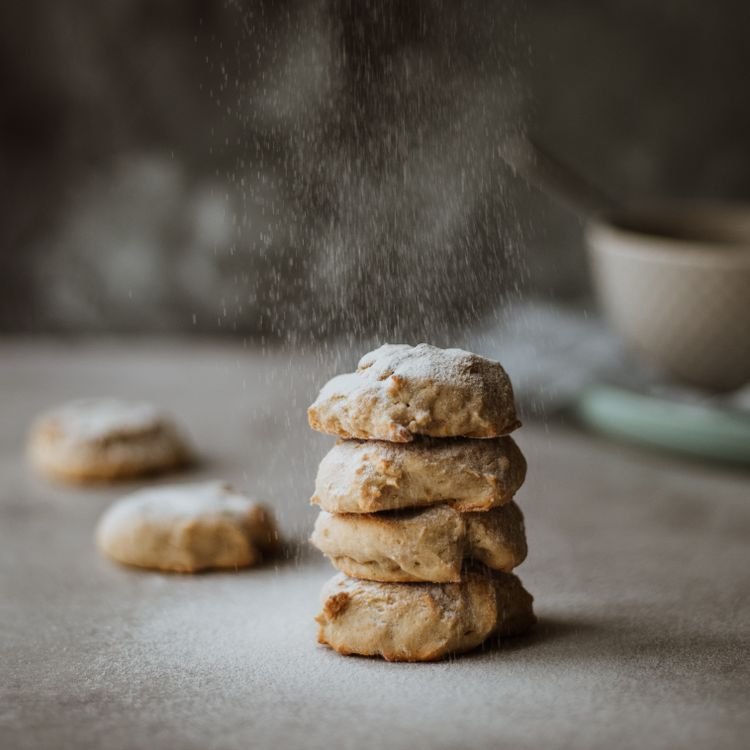
Classic Lemon Shortbread Cookies are buttery, crumbly cookies made with real lemon zest and lemon juice, a little sugar, and plenty of butter. They have a delicate, sandy texture that melts in your mouth, a bright lemon flavour that is fresh without being sour, and a light dusting of sugar on top that adds a gentle crunch. They are the kind of simple, elegant cookie that tastes wonderful with a cup of tea, and they look beautiful on a plate, especially when they are cut into neat fingers or rounds and dusted with icing sugar.
What makes shortbread so special is how few ingredients it needs. Butter, sugar, flour, and lemon are all it takes, but the quality of each one matters, so use good butter, fresh lemons, and plain flour for the best result. The dough comes together quickly, chills for a short time so it slices cleanly, and bakes into pale, golden cookies that keep their shape. You do not need a mixer or any special equipment, just a bowl, a rolling pin, and a baking tray, which makes this a lovely recipe for beginner bakers and for baking with children.
This guide gives you the full recipe, with clear steps, tips for crisp, tender shortbread, ideas for changing the recipe to suit your taste, and advice on storing and freezing the cookies. It also answers the most common questions about lemon shortbread, so you can bake it with confidence the first time and every time after that. If you love lemon bakes, try our Easy Lemon Crinkle Cookies, and for another classic bake, try our Classic Vanilla Bean Cookies.

Why You Will Love These Classic Lemon Shortbread Cookies
These cookies are proof that simple baking is often the best baking. The dough uses just a handful of ingredients, yet the result is a cookie with a rich butter flavour, a bright lemon lift, and a texture that is both crisp and tender. They are ready in about an hour, including chilling time, and they keep for a week or more, so you can bake them ahead for gifts, afternoon tea, or a holiday cookie box. They also freeze well, both as dough and as baked cookies.
- Bright, fresh lemon flavour. Real lemon zest and juice give the cookies a clean citrus taste.
- Buttery and crumbly. Plenty of butter and a little cornflour make a tender, sandy texture.
- Simple ingredients. Butter, sugar, flour, and lemon are all you need.
- Great for gifts. The cookies keep well and look lovely in a tin or a cellophane bag.
They are also a good cookie to make when you want something light after a rich meal. The lemon flavour is refreshing, the cookies are not too sweet, and they pair beautifully with tea, coffee, or a glass of cold milk. Children love cutting out the shapes, and adults love the way the cookies taste with an afternoon cup of tea.
Ingredients for Classic Lemon Shortbread Cookies
This recipe makes about 24 cookies. Use unsalted butter at room temperature, fresh lemons for the zest and juice, and plain flour for the best texture. Measure the flour carefully, spooning it into the cup and levelling it off, so the shortbread stays tender instead of tough.
- 1 cup (225g) unsalted butter, at room temperature
- 3/4 cup (150g) granulated sugar, plus extra for sprinkling
- 2 tablespoons lemon zest, from about 2 lemons
- 2 tablespoons lemon juice, freshly squeezed
- 1 teaspoon vanilla extract
- 2 cups (250g) plain flour
- 1/4 cup (30g) cornflour (cornstarch)
- 1/2 teaspoon salt
- Icing sugar, for dusting (optional)
The lemon zest is the most important ingredient here, because it carries most of the lemon flavour, so zest the lemons before you juice them, and use a fine grater so the zest mixes evenly through the dough. The cornflour is a small addition that makes a big difference, giving the shortbread its tender, melt-in-the-mouth texture, so do not leave it out. If you only have salted butter, leave out the half teaspoon of salt in the recipe.

How to Make Classic Lemon Shortbread Cookies
Shortbread dough is quick to make, and the short chill is the only part that needs patience. Follow the steps below, and let the cookies cool on the tray before moving them, because shortbread is delicate while it is warm.
- Cream the butter and sugar. In a large bowl, beat the butter, sugar, and lemon zest together with a wooden spoon or an electric mixer until pale and creamy, about 2 minutes. Stir in the lemon juice and vanilla extract.
- Add the dry ingredients. Sift in the flour, cornflour, and salt, then stir gently until the dough just comes together. Do not overmix, or the shortbread can turn tough instead of tender.
- Shape the dough. Turn the dough onto a lightly floured surface, press it into a flat disc, wrap it in cling film, and chill it in the refrigerator for 30 minutes. This firms the butter and makes the dough easy to roll.
- Roll and cut. Heat the oven to 170°C (340°F) and line two baking trays with baking paper. Roll the dough out to about 1 cm thick, then cut it into fingers or rounds with a knife or a cookie cutter. Place the cookies about 3 cm apart on the trays and prick each one with a fork.
- Sprinkle with sugar. Sprinkle the tops lightly with granulated sugar, which gives the baked cookies a gentle crunch and a pretty sparkle.
- Bake the cookies. Bake for 14 to 16 minutes, until the edges are just starting to turn pale gold and the tops look dry. Shortbread should stay pale, so do not wait for it to brown.
- Cool and serve. Let the cookies cool on the trays for 5 minutes, then move them carefully to a wire rack to cool completely. Dust with icing sugar if you like, and serve with tea or coffee.
Tips for Perfect Classic Lemon Shortbread Cookies
The most important tip for shortbread is to keep everything cool and to handle the dough gently. If the dough feels soft or sticky, chill it for a little longer before rolling, and roll it out on a lightly floured surface so it does not stick. Use a light touch when you mix in the flour, and stop as soon as the dough comes together, because overworking it makes the cookies tough. Bake the cookies until they are just set and pale gold at the edges, and remember that shortbread firms up as it cools, so it is better to take it out a minute early than a minute late.
For the best lemon flavour, zest the lemons straight into the sugar and rub the zest into the sugar with your fingertips before you add the butter. This releases the oils from the zest and gives the cookies a stronger, fresher lemon taste. Use room-temperature butter so it creams smoothly, and let the cookies cool completely before you stack them, because warm shortbread is fragile and can break. If you like a stronger lemon flavour, add an extra teaspoon of zest, or drizzle the cooled cookies with a simple lemon icing made from icing sugar and lemon juice.
Variations of Classic Lemon Shortbread Cookies
This recipe is easy to change, and it works well with different flavours. For lavender shortbread, add a teaspoon of dried culinary lavender with the flour, which gives the cookies a gentle floral note that pairs beautifully with lemon. For a poppy seed version, add two tablespoons of poppy seeds, which add a little crunch and a pretty speckled look. For chocolate-dipped shortbread, dip half of each cooled cookie in melted dark chocolate and let it set on baking paper, which makes the cookies look elegant and adds a rich contrast to the lemon. For a lime version, use lime zest and juice instead of lemon, which gives the cookies a slightly different citrus flavour. For a festive version, cut the dough into stars or trees and dust the baked cookies with icing sugar.
How to Store Classic Lemon Shortbread Cookies
Store the cooled cookies in an airtight container at room temperature for up to two weeks, with a sheet of baking paper between the layers so they do not break. Shortbread keeps very well, and its flavour improves after a day or two, so it is a good cookie to bake ahead. For longer storage, freeze the baked cookies in a freezer bag for up to three months, and thaw them at room temperature for about an hour before serving. You can also freeze the dough: wrap the disc tightly in cling film and foil, freeze it for up to three months, and thaw it in the refrigerator overnight before rolling and baking.
Frequently Asked Questions (FAQ)
Why is my shortbread tough instead of tender? The most common cause is overmixing the dough after you add the flour, which develops the gluten and makes the cookies tough. Mix just until the dough comes together, handle it gently, and chill it before rolling.
Can I make lemon shortbread without cornflour? Yes. If you do not have cornflour, use the same amount of extra plain flour instead. The cookies will still taste wonderful, but they may be a little less tender, because the cornflour is what gives shortbread its melt-in-the-mouth texture.
How do I know when shortbread is done? The cookies should look pale and dry on top, with the edges just starting to turn pale gold. Take them out at that point, because shortbread should stay pale, and it firms up as it cools on the tray.
Can I freeze lemon shortbread dough? Yes. Wrap the dough disc tightly in cling film and foil, freeze it for up to three months, and thaw it in the refrigerator overnight before rolling it out and baking the cookies.
Why did my cookies spread in the oven? The most common causes are butter that was too soft, dough that was not chilled, or an oven that was not hot enough. Chill the dough for at least 30 minutes, make sure the oven is fully heated, and bake the cookies on the middle shelf.
Conclusion
Classic Lemon Shortbread Cookies are a simple, elegant bake, with buttery, crumbly shortbread and a bright, fresh lemon flavour. They need only a handful of ingredients, they keep and freeze well, and they are lovely with a cup of tea or as a gift in a pretty tin. Bake a batch this week, share them with the people you love, and keep the recipe close, because once you have tried them, they are sure to become one of your most requested cookies.