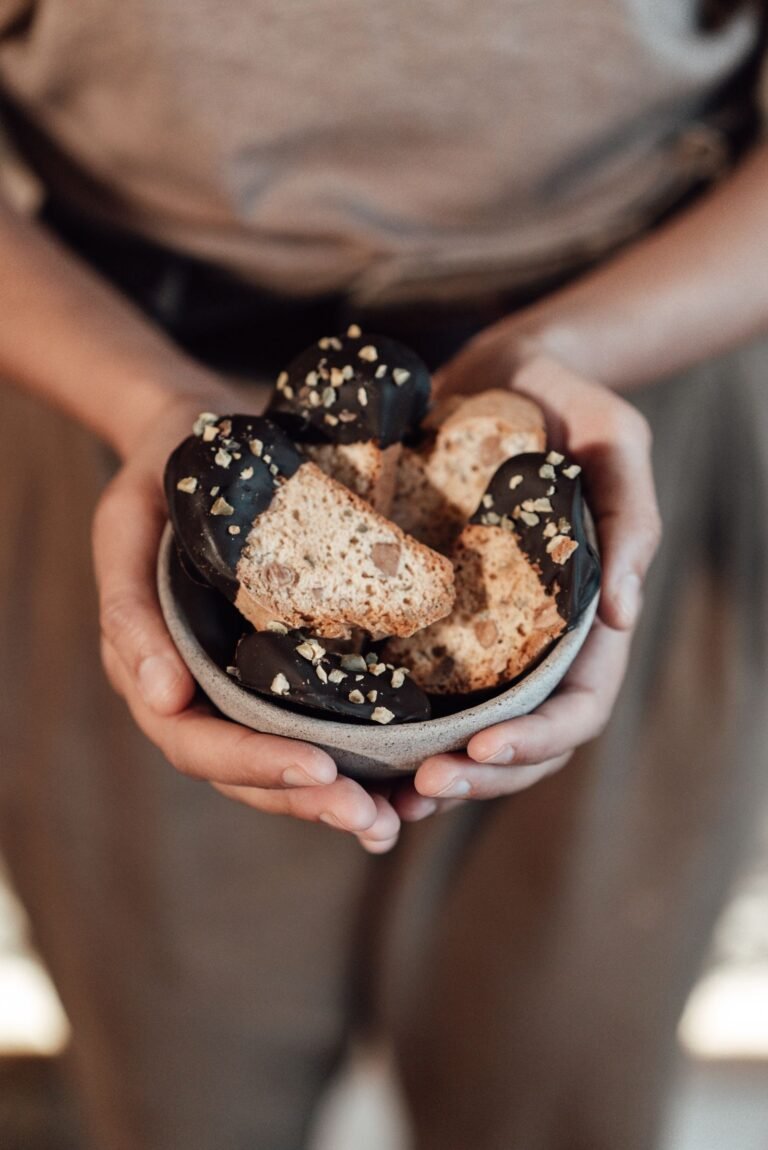
Classic Anise Biscotti

Classic anise biscotti are crisp, twice baked Italian cookies with a warm, aromatic flavour that is perfect for dunking in coffee or tea. They have a satisfying crunch, a delicate sweetness and a distinctive taste of anise that sets them apart from ordinary cookies. These classic anise biscotti are made with simple ingredients, they keep for weeks, and they are a wonderful gift for friends and family. If you have never baked biscotti before, this recipe is a perfect place to start, because the method is forgiving and the result is always impressive.
Biscotti come from Tuscany in Italy, where they were originally baked twice so they would keep for a long time on journeys. The word biscotti means twice cooked, and that second baking is what gives them their famous crisp texture. Traditional biscotti contain no butter, which helps them stay crisp, and they are shaped into logs, baked, sliced and baked again until dry and golden. This classic anise biscotti recipe follows that tradition, with a little butter for tenderness and a generous amount of anise seeds for flavour.
Anise has a warm, sweet flavour a little like liquorice, but much gentler. It pairs beautifully with almonds, citrus and coffee, and it gives these biscotti a distinctive taste that people remember. If you are not sure about anise, start with the amount in the recipe, because it is balanced and not overpowering. Many people who think they do not like anise discover they love it in biscotti, where it is warm and fragrant rather than strong.
Why You Will Love These Classic Anise Biscotti
These biscotti are wonderfully crisp and dunkable. They hold their shape in hot coffee, softening just enough to become tender without falling apart. That makes them perfect for a quiet moment with a cup of coffee, or for serving after dinner with a small glass of dessert wine, as they are traditionally enjoyed in Italy.
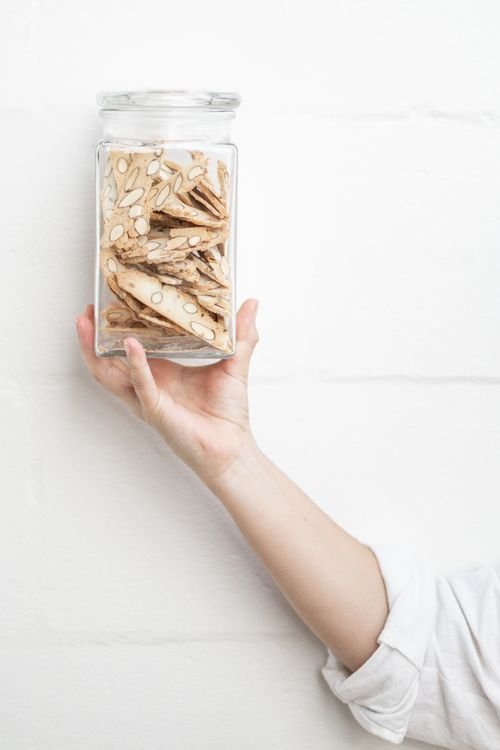
They are also one of the longest lasting cookies you can bake. Because they are baked twice and contain very little moisture, they stay crisp for weeks in an airtight container. That makes them ideal for gifts, for holiday baking, and for keeping a jar on the counter for unexpected guests. You can bake a large batch in one session and enjoy them for a long time.
The recipe is simple and reliable. The dough is easy to mix and shape, the baking times are forgiving, and the slicing step is easier than it looks. You do not need any special equipment, just a baking tray, a knife and a little patience. If you enjoy our chewy chocolate chip cookies, you will enjoy the contrast of these crisp, aromatic biscotti alongside them.
Ingredients for Classic Anise Biscotti
Good ingredients matter in a simple recipe like this, because there is nowhere for poor quality to hide. Use fresh anise seeds, because old seeds lose their fragrance. Use real vanilla extract and good quality almonds, and measure the flour carefully so the dough is firm enough to shape into logs without being dry.
- 250g plain flour
- 200g granulated sugar
- 1 teaspoon baking powder
- 1/2 teaspoon fine sea salt
- 2 tablespoons anise seeds
- 1 tablespoon anise extract, or 1 teaspoon anise oil
- 3 large eggs, at room temperature
- 2 teaspoons vanilla extract
- 1 teaspoon finely grated orange zest, optional
- 115g whole almonds, lightly toasted and roughly chopped
- 30g unsalted butter, melted and cooled
Anise seeds are available in the spice aisle of most supermarkets, or from Italian delicatessens. Anise extract is different from anise seeds, and it gives a more concentrated flavour. If you cannot find anise extract, use the seeds alone and add a little extra vanilla. Do not use star anise in this recipe, because its flavour is much stronger and different.
How to Make Classic Anise Biscotti
Preheat your oven to 175 degrees Celsius, or 350 degrees Fahrenheit, and line a large baking tray with parchment paper. Whisk the flour, sugar, baking powder, salt and anise seeds together in a large bowl. This ensures the baking powder and anise are evenly distributed, so the biscotti rise evenly and taste the same in every bite.
Whisk the eggs, anise extract, vanilla extract and orange zest together in a separate bowl, then pour the egg mixture into the dry ingredients, along with the melted butter. Stir with a wooden spoon or a spatula until a soft dough forms. It will be sticky at first, but it will become easier to handle as you mix. Fold in the chopped almonds last, distributing them evenly through the dough.
Turn the dough out onto a lightly floured surface and divide it into two equal pieces. With floured hands, shape each piece into a log about twenty five centimetres long and five centimetres wide. Place the logs on the prepared tray, leaving space between them, and flatten the tops slightly with your hands. The logs will spread a little as they bake, so do not make them too wide.
Bake the logs for twenty five to thirty minutes, until they are firm to the touch and lightly golden. Remove the tray from the oven and let the logs cool for ten minutes. They need to be cool enough to handle, but still warm enough to slice cleanly. If you let them cool completely, they may crumble when you cut them.
Reduce the oven temperature to 160 degrees Celsius, or 325 degrees Fahrenheit. Using a sharp serrated knife, slice each log diagonally into pieces about one centimetre thick. Use a gentle sawing motion and do not press down too hard, or the biscotti may break. Place the slices cut side down on the tray, leaving a little space between them.
Bake the slices for ten minutes, then turn each one over and bake for another eight to ten minutes, until they are crisp and golden on both sides. The biscotti should feel dry and firm when you tap them. Let them cool completely on a wire rack, where they will become even crisper as they cool.

Tips for the Best Anise Biscotti
Use a serrated knife and a gentle sawing motion to slice the logs. A straight bladed knife can crush the biscotti, while a serrated knife cuts through the crust cleanly. Slice on a diagonal for longer, elegant biscotti, or straight across for shorter, chunkier ones. Either way, try to make the slices an even thickness so they bake evenly.
Do not skip the second baking, because that is what makes biscotti crisp. The first baking sets the shape, but the second baking dries the slices out and gives them their famous crunch. If your biscotti are still soft in the middle after the second baking, return them to the oven for a few more minutes.
Let the logs cool for ten minutes before slicing, but no longer. Warm logs slice cleanly, while cold logs are brittle and may break. If a slice does break, do not worry, because broken pieces are just as delicious, and they make a wonderful cook’s treat.
Toast the almonds lightly before adding them to the dough, because it improves their flavour and keeps them crunchy. Spread them on a tray and bake them for six to eight minutes, until they smell fragrant, then let them cool before chopping. You can use whole almonds for a rustic look, or chopped almonds for easier slicing.
Variations to Try
Add a handful of dried cranberries or chopped dried figs for a fruity version, or replace half the almonds with pistachios for a beautiful green colour. A spoonful of cocoa powder makes a chocolate anise biscotti, while a little cinnamon adds warmth. You can also dip the cooled biscotti in melted dark chocolate for a more indulgent treat.
For a lemon anise biscotti, replace the orange zest with lemon zest and add a teaspoon of lemon juice to the egg mixture. For a coffee version, add a tablespoon of finely ground coffee to the dry ingredients. Each variation keeps the same reliable dough, so you can adapt the recipe to your taste with confidence.
You can also make these biscotti smaller, by shaping the dough into three logs instead of two, and slicing them thinner. Small biscotti are perfect for a cookie platter or for serving with espresso, and they bake a little faster in the second baking, so check them a few minutes early.
How to Store Classic Anise Biscotti
Store the cooled biscotti in an airtight container at room temperature for up to four weeks. Because they are so dry, they keep much longer than soft cookies. Keep them away from humidity, because moisture will soften them. If they do soften, return them to a low oven for five minutes to crisp them up again.
These biscotti freeze very well. Place them in a freezer bag or container for up to three months, and thaw at room temperature. The baked logs also freeze well before slicing, which is useful if you want to bake a large batch and finish them later. Thaw the logs, slice them, and bake them for the second time as usual.
Serving Suggestions
Serve classic anise biscotti with coffee, espresso, cappuccino or tea. They are traditionally dunked in Vin Santo, a sweet Italian dessert wine, but they are just as good with a simple cup of coffee. They are wonderful after dinner, with a cheese plate, or crumbled over ice cream for a crunchy topping.
They also make a beautiful gift. Stack them in a clear bag or a pretty tin, tie with ribbon, and add a handwritten label. They are perfect for Christmas, birthdays and thank you gifts, because they travel well and keep for weeks. If you are building a cookie platter, pair them with our classic Linzer cookies for a contrast of crisp biscotti and delicate, jam filled butter cookies.
Frequently Asked Questions
What does anise taste like? Anise has a warm, sweet flavour a little like liquorice, but gentler and more fragrant. In biscotti it is warm and aromatic, not strong or medicinal. If you like fennel or liquorice, you will love anise. If you are unsure, the amount in this recipe is balanced and pleasant.
Can I make biscotti without anise? Yes. You can leave out the anise seeds and extract and add extra vanilla and orange zest instead, for a classic almond biscotti. The method and baking times stay the same, so the recipe is very flexible.
Why did my biscotti crumble when I sliced them? Crumbly biscotti are usually caused by logs that were too cool when sliced, or by a knife that was not sharp enough. Slice the logs while they are still warm, use a sharp serrated knife, and use a gentle sawing motion without pressing down hard.
How do I know when biscotti are done? Biscotti are done when they feel dry and firm, and they sound hollow when tapped. They will become even crisper as they cool, so do not worry if they feel slightly soft in the very centre when you take them out of the oven. They should not feel damp or bendy.
Can I use a different nut? Yes. Hazelnuts, pistachios, walnuts and pecans all work well in biscotti. Use the same weight of nuts, toast them lightly, and chop them roughly before adding them to the dough. Pistachios give a lovely colour, while hazelnuts give a rich, buttery flavour.
Conclusion
Classic anise biscotti are a timeless Italian cookie that deserves a place in every baker’s collection. They are crisp, aromatic and wonderfully dunkable, they keep for weeks, and they make a beautiful gift. The twice baked method is simple once you try it, and the warm flavour of anise makes these biscotti truly special. Bake a batch this weekend, enjoy them with your favourite coffee, and share them with people you love. These classic anise biscotti are the kind of recipe that becomes a tradition, passed from one baker to another, and enjoyed for years to come.